Preventing Vendor Dependency Creep: Complete Guide
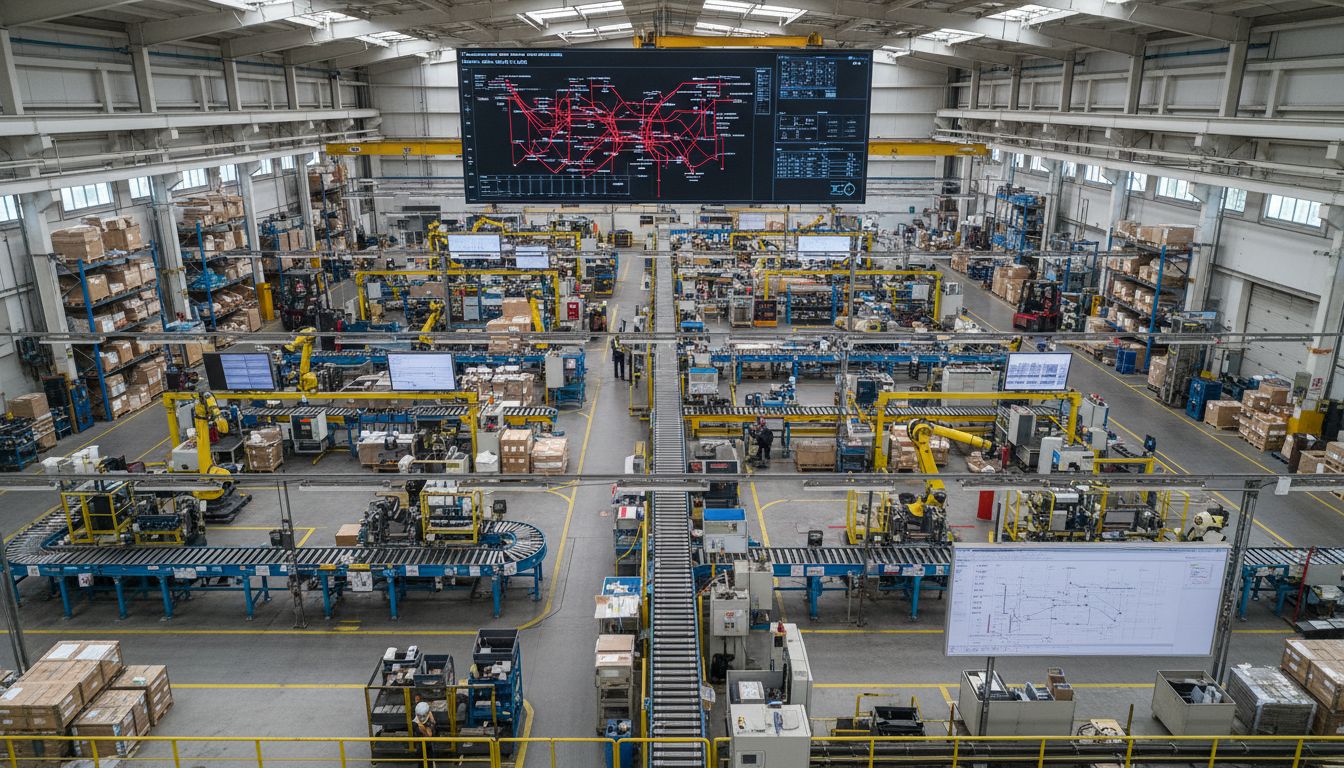
Did you know that more than 60% of regional companies report unexpected losses due to overreliance on external vendors? As businesses outsource more tasks to third parties, hidden risks can grow unnoticed and threaten vital operations. Understanding how vendor dependency creeps into daily workflows helps leaders regain control, protect quality, and keep costs predictable.
Table of Contents
- Defining Vendor Dependency Creep And Its Risks
- Common Vendor Categories Driving Hidden Costs
- How Vendor Lock-In Happens Over Time
- Strategies For Ongoing Vendor Optimization
- Calculating And Achieving Sustainable Savings
- Regional Business Tactics For Vendor Independence
Key Takeaways
| Point | Details |
|---|---|
| Vendor Dependency Risks | Businesses face multifaceted risks from vendor dependency creep, including financial vulnerability, quality compromise, and compliance exposure. |
| Strategic Vendor Management | Implementing structured Vendor Risk Management (VRM) processes is critical for assessing and mitigating potential risks associated with third-party relationships. |
| Cost Calculation Insights | Achieving true savings requires comprehensive assessments, including direct cost reductions and operational efficiencies, to combat hidden fees from vendor overreliance. |
| Tactics for Independence | Diversifying vendor portfolios and developing internal capabilities can significantly reduce reliance on external providers and enhance operational flexibility. |
Defining Vendor Dependency Creep and Its Risks
Vendor dependency creep is a gradual, insidious process where businesses become increasingly reliant on external vendors, losing control of critical operational functions and strategic capabilities. According to Supplyhive, poor vendor management can lead to significant organizational risks that extend far beyond simple service delivery.
The risks associated with vendor dependency are multifaceted and potentially devastating. Vendor dependency creep can manifest through several dangerous pathways, including:
Here’s a summary of the main risks associated with vendor dependency creep:
| Risk Category | Description | Potential Consequences |
|---|---|---|
| Financial Vulnerability | Escalating external spending without value | Increased costs Budget overruns |
| Quality Compromise | Reduced internal control over business functions | Lower product/service quality Reputation damage |
| Innovation Stagnation | Decreased adaptability and flexibility | Lost market share Slower response to trends |
| Compliance Exposure | Increased legal/regulatory risk from over-reliance | Fines Legal disputes Operational disruption |
- Financial Vulnerability: Escalating external spending without proportional value creation
- Quality Compromise: Reduced internal capability and control over critical business functions
- Innovation Stagnation: Decreased organizational adaptability and strategic flexibility
- Compliance Exposure: Increased legal and regulatory risk from over-reliance on third-party providers
As Supplyhive highlights, the consequences of unchecked vendor relationships can include compromised product quality, unexpected cost increases, potential legal disputes, and even security vulnerabilities. For regional businesses spending $50K-$150K monthly on external vendors, understanding and mitigating these risks isn’t just smart strategy—it’s financial survival. Check out our comprehensive guide to building a vendor replacement roadmap to start reclaiming control of your operational capabilities.
Common Vendor Categories Driving Hidden Costs
For regional businesses spending $50K-$150K monthly on external vendors, understanding the most problematic vendor categories is crucial to managing financial risk. According to Cashflo, operational risks from vendors can create significant hidden costs through supply chain inefficiencies, production delays, and quality control failures.
The most common vendor categories that drive substantial hidden costs include:
- Marketing Agencies: Delivering inconsistent brand messaging and inflated campaign costs
- Technology Implementation Partners: Creating complex, non-scalable solutions with ongoing maintenance fees
- Growth Consultants: Providing generic strategies with minimal customized implementation support
- Design and Creative Firms: Charging premium rates for deliverables that rarely match internal brand vision
- Fractional Executive Services: Offering expensive part-time leadership without deep organizational understanding
LinkedIn highlights another critical risk: inaccurate supplier data can lead to invoice errors, payment delays, missed discounts, and strained vendor relationships. For businesses looking to systematically reduce these hidden costs, our vendor replacement framework can help cut expenses by 40% while improving overall operational efficiency.

How Vendor Lock-In Happens Over Time
Vendor lock-in is a subtle, progressive trap that slowly constrains a business’s operational flexibility and strategic decision-making. According to Tuple, this dependency develops gradually as companies integrate vendor-specific technologies and processes, making it increasingly challenging to switch providers without substantial financial or technical disruption.
The progression of vendor lock-in typically follows a predictable pattern:
- Initial Engagement: Selecting a vendor for specialized services or technologies
- Deep Integration: Customizing internal systems and workflows around vendor-specific solutions
- Dependency Acceleration: Increasing reliance on proprietary tools and expertise
- Limited Alternatives: Recognizing the prohibitive costs of transitioning to alternative providers
- Strategic Paralysis: Losing negotiating power and operational flexibility
Phoenix Strategy emphasizes that a high vendor dependency ratio creates a critical single point of failure, dramatically limiting a company’s ability to adapt and respond to changing market conditions. For businesses looking to break free from these constraints, our comprehensive guide to building a vendor replacement roadmap offers a strategic approach to reclaiming operational independence and reducing long-term financial risks.
Strategies for Ongoing Vendor Optimization
For regional businesses spending $50K-$150K monthly on external vendors, proactive vendor management is not just a strategy—it’s financial survival. MetricStream emphasizes the critical importance of implementing structured Vendor Risk Management (VRM) processes to systematically assess and mitigate potential risks associated with third-party relationships.
Effective vendor optimization requires a multifaceted approach:
- Continuous Risk Assessment: Regularly evaluate vendor performance and compliance
- Clear Boundary Definition: Establish precise lines between in-house and outsourced responsibilities
- Performance Monitoring: Track vendor deliverables against predefined metrics
- Contractual Flexibility: Build exit strategies and renegotiation points into vendor agreements
- Diversification Strategy: Avoid over-reliance on single vendors across critical functions
According to Zulweb, successful vendor management hinges on defining clear boundaries and establishing well-structured Service Level Agreements (SLAs) that ensure consistent performance standards. For businesses looking to systematically reduce vendor dependencies and optimize their external partnerships, our comprehensive guide to building a vendor replacement roadmap provides a strategic framework for transforming vendor relationships from potential liabilities into scalable, flexible resources.
Calculating and Achieving Sustainable Savings
For regional businesses spending $50K-$150K monthly on vendor services, calculating true savings requires a comprehensive approach that goes beyond surface-level cost-cutting. LinkedIn highlights the critical challenge of vendor overreliance, which can lead to increasingly complex pricing structures and hidden fees that erode potential savings.
A strategic savings calculation should encompass multiple dimensions:
- Direct Cost Reduction: Immediate vendor contract renegotiations
- Operational Efficiency: Measuring productivity gains from reduced vendor dependencies
- Hidden Cost Elimination: Identifying and removing redundant services
- Internal Capability Development: Investing in team skills to replace external resources
- Risk Mitigation: Avoiding potential financial losses from vendor instability
CyberUpgrade recommends regularly reviewing vendor financial statements and credit ratings to detect early signs of instability and protect long-term financial interests. For businesses aiming to systematically break down their vendor dependencies, our comprehensive guide to building a vendor replacement roadmap provides a detailed framework for achieving sustainable savings between $200K-$500K annually.
Regional Business Tactics for Vendor Independence
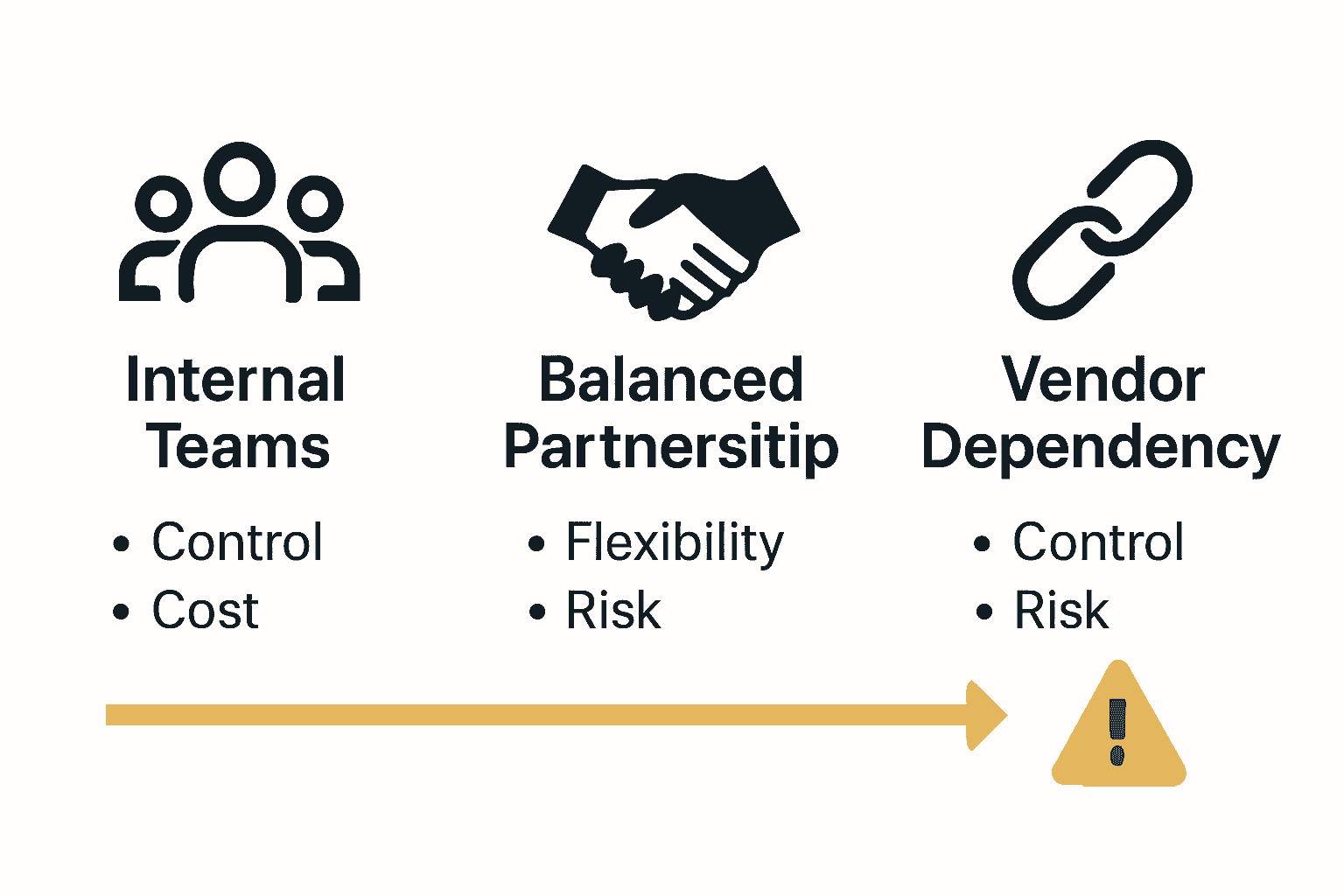
For Midwest and Southeast businesses spending $50K-$150K monthly on external vendors, achieving true independence requires a strategic, multifaceted approach. Desai Diwanji emphasizes the critical importance of developing robust contingency plans that enable rapid vendor diversification and internal capability building.
Key tactics for regional businesses to break vendor dependencies include:
- Vendor Portfolio Diversification: Cultivate multiple service providers to reduce single-source risks
- Rapid Skill Onboarding: Develop internal teams capable of replacing vendor-delivered functions
- Continuous Learning Investment: Create ongoing training programs to build institutional knowledge
- Strategic Capability Mapping: Identify which functions can be most effectively in-housed
- Performance-Based Vendor Contracts: Establish agreements that incentivize vendor flexibility
Static warns that a lack of vendor diversity creates a critical single point of failure, potentially disrupting entire operational ecosystems. For businesses ready to systematically reduce external dependencies, our quick wins guide for in-housing functions provides a practical roadmap for transforming vendor relationships in just 90 days.
Stop Vendor Dependency Creep and Take Back Control of Your Business
Vendor dependency creep quietly drains your company’s profits by locking you into expensive agencies, consultants, and fractional executives across multiple functions. If you are spending between $50K and $150K monthly on external vendors, you face real risks like rising costs, reduced quality, and lost agility as your team’s capabilities erode. You did not build your regional Midwest or Southeast business to manage vendors or wrestle with technology resentment. Instead, you want to focus on your craft while cutting outsourcing costs by 30 to 40 percent.
At Average Robot we help businesses just like yours replace costly marketing agencies, growth consultants, and technology partners with AI-enabled internal teams that you own and control. Our Vendor Dependency Assessment uncovers where you are overpaying for work your team could own and identifies $150K to $300K in annual savings opportunities. From there we build a Vendor Replacement Roadmap that prioritizes quick wins to reclaim functions and cut consultant spend. Ready to break free from vendor lock in and reduce outsourcing costs by $200K to $500K annually? Visit Average Robot now for your free 90-minute workshop and get back to what you love while empowering your team to do more.
Frequently Asked Questions
What is vendor dependency creep?
Vendor dependency creep is the gradual, unintended increase in reliance on external vendors, which can lead to a significant loss of control over critical business functions and strategic capabilities.
What are the risks associated with vendor dependency?
The risks include financial vulnerability due to rising costs, quality compromise affecting product standards, innovation stagnation limiting adaptability, and compliance exposure to legal risks.
How can companies prevent vendor lock-in?
Companies can prevent vendor lock-in by performing continuous risk assessments, establishing clear responsibility boundaries, monitoring vendor performance, and creating flexible contracts with exit strategies.
What strategies can businesses use for ongoing vendor optimization?
Businesses can implement strategies such as continuous risk assessment, performance monitoring, clear boundary definitions, contractual flexibility, and diversification to maintain healthy vendor relationships.